
New Architecture New York
A precís of the latest, for city explorers.

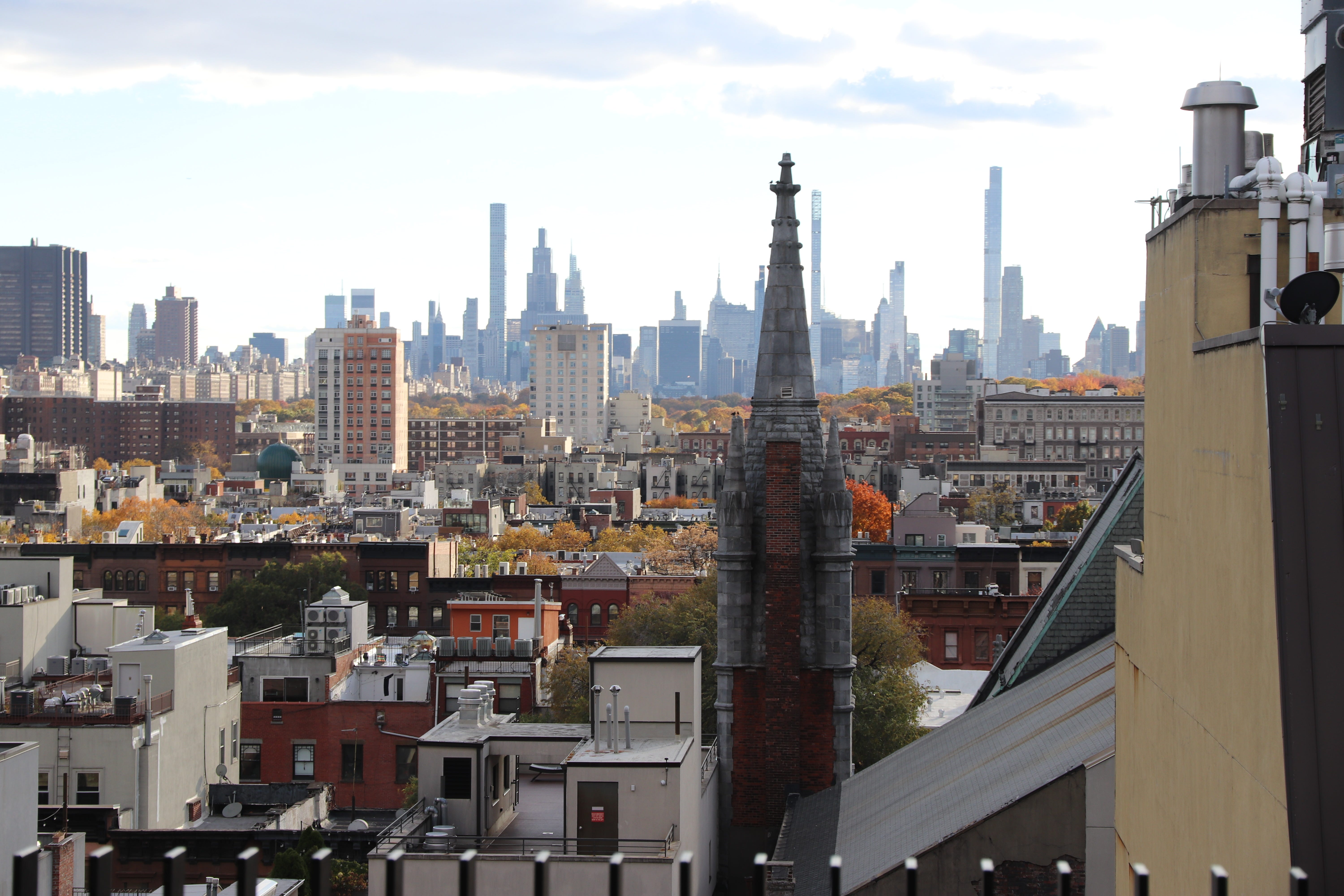
Thanks to the pandemic and the wayward ways of design, fundraising, and construction, a lot of highly anticipated architectural projects have recently completed in New York City. If you are visiting over the holidays, you may want to check some of these out—also because several display superb art. If nothing else some of these will take you off the beaten track.
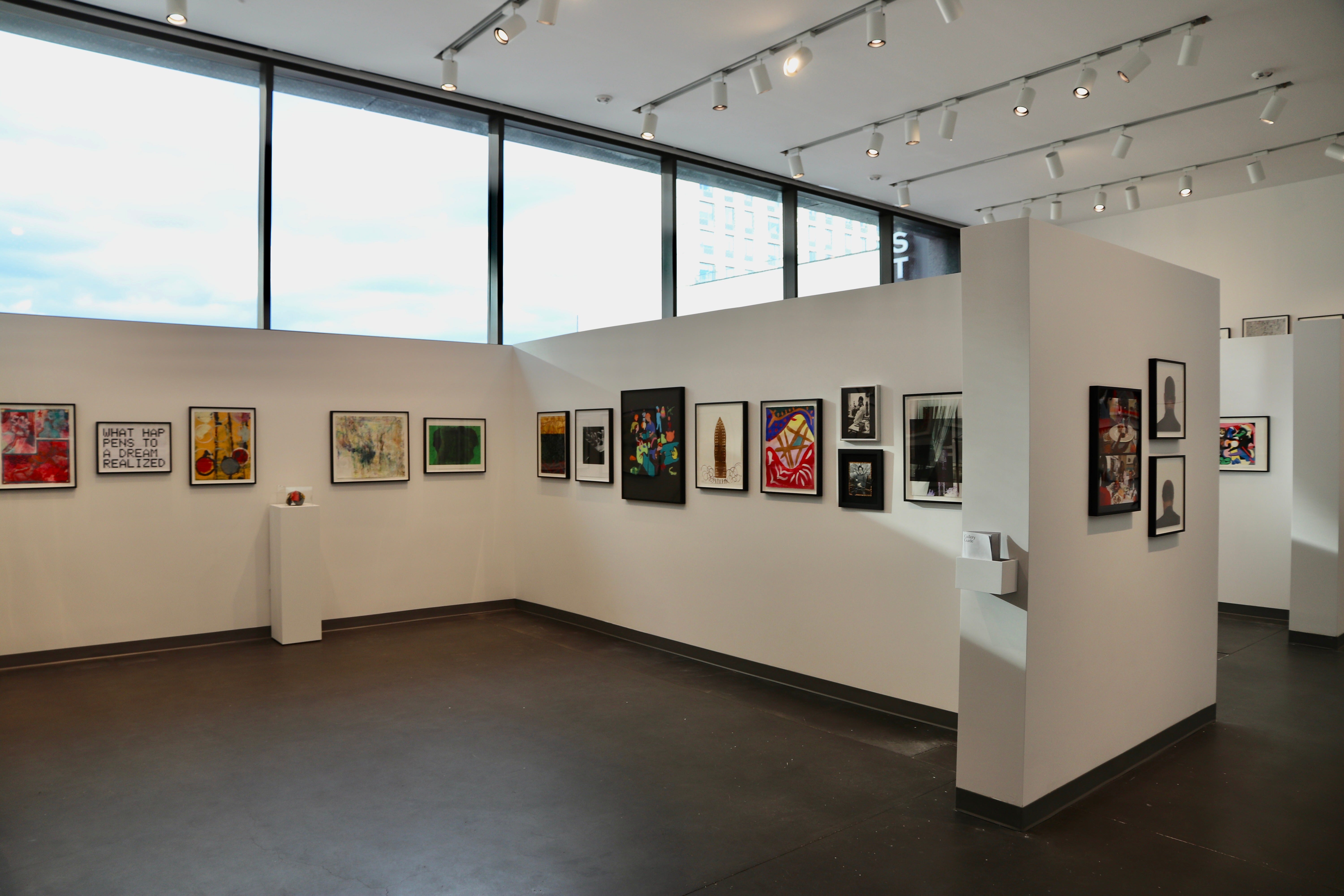
.After almost six decades the Studio Museum in Harlem, which is America’s premiere venue for nurturing and exhibiting Black artists, has gotten the extraordinary new home it deserves. It’s not just a repository of objects (though its bracing exhibitions pulse with energy) but an essential community institution that helps artists find their path and build their careers through education and residency programs. Architect David Adjaye’s masklike black facade opens invitingly into a wood-clad event space and expertly stirs the institution’s aspirations together, anchored by three exhibition floors. The views from the roof terrace are magical.
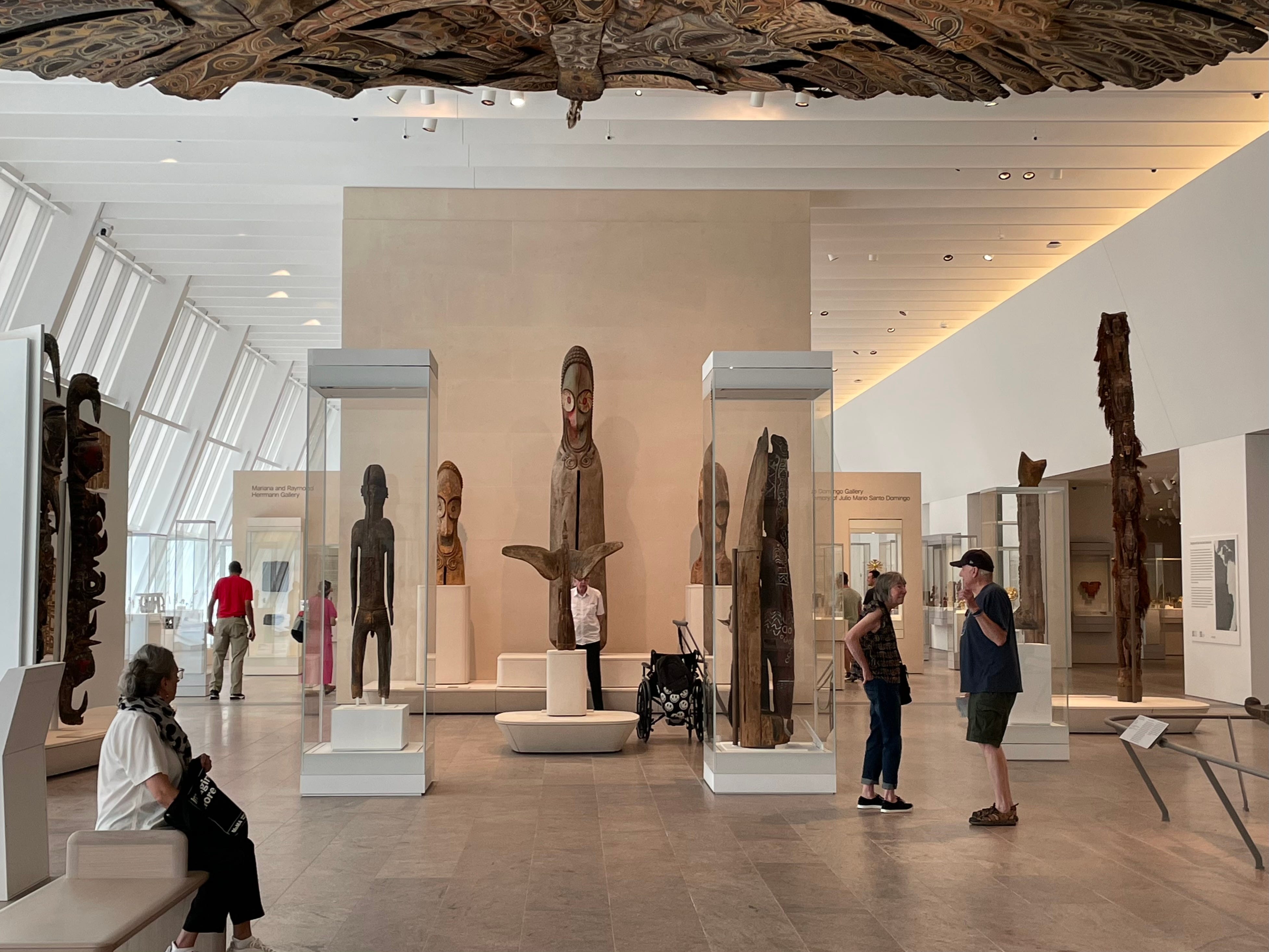
Architecture is a quieter presence at the Metropolitan Museum’s vast renewed galleries of African, Oceanic, and ancient Latin American art. Architect Kulapat Yantrasast, founder of WHY, reworked the huge south-facing wall of glass designed for the Michael Rockefeller wing by its 1970s architect Kevin Roche and John Dinkeloo that blasted the space with far too much daylight. Discreetly filtered, Yantrasat shaped the space to allow limped daylight to seep deeply into the space, picking out new subtleties in this trove of jaw-dropping masterpieces.
The Met has attempted to overcome condescending traditional categorization of these collections as “primitive” or “ethnographic,” instead highlighting them as individual works of art by identified artists, while at least minimally contextualizing the time, place and intentions of their making.
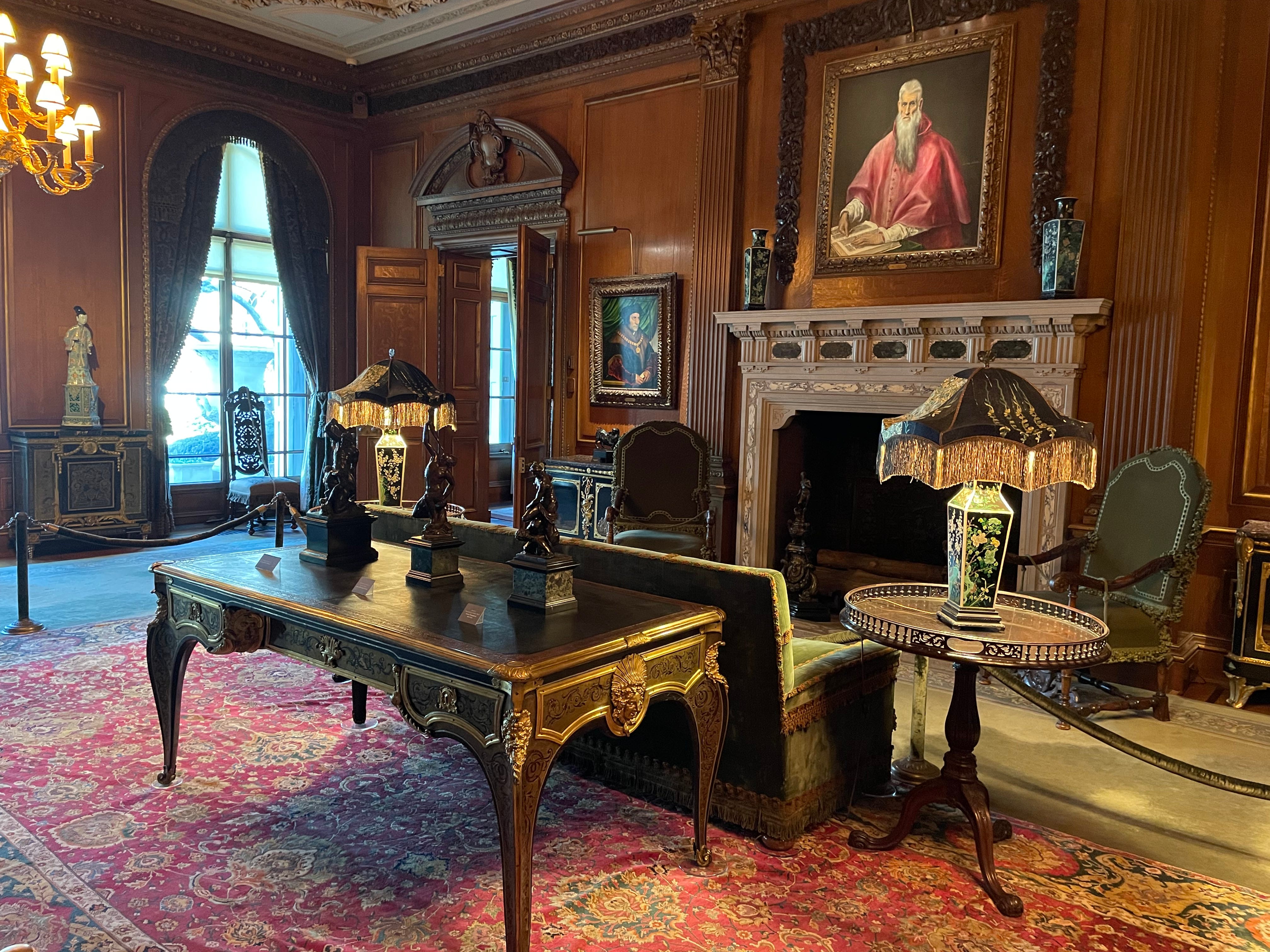
New York welcomed back the Frick Collection, closed for five years for a top-to-bottom overhaul and an addition by Annabelle Selldorf. As a mansion originally designed by Thomas Hastings with conversion to a museum in mind, it’s beloved for its elegance (by robber baron standards) and sumptuous domesticity. The extraordinary works on view command attention, especially as beautifully conserved and relit; they have no trouble competing with the elaborate furnishings and decor. Selldorf’s restrained addition eases the cramped entry and encloses a handsome new auditorium and much improved space for temporary exhibitions.
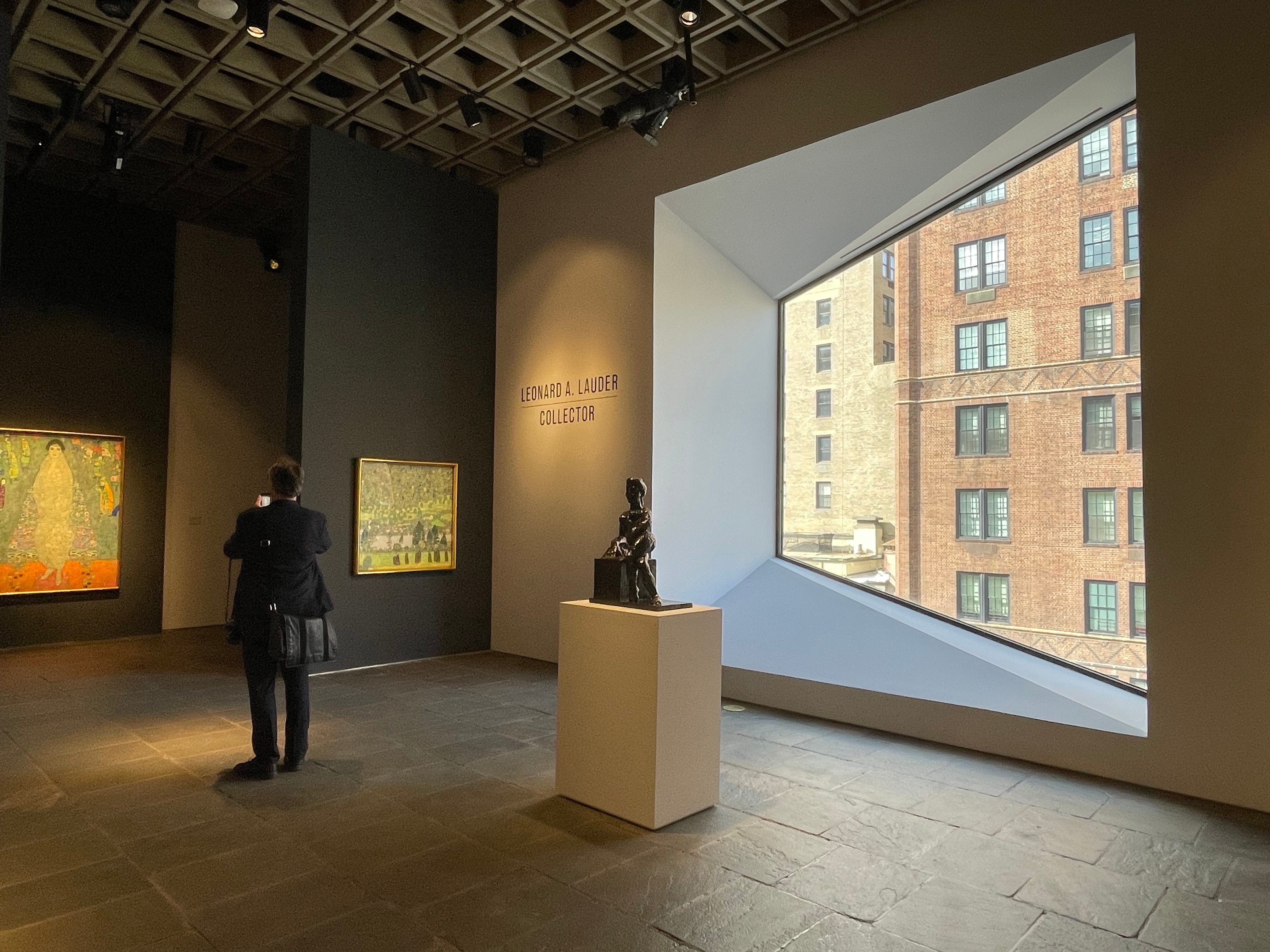
For the Whitney Museum that opened in 1966 Marcel Breuer designed a six-story granite-clad boulder of a building that hangs menacingly above Madison Avenue. It has attracted sneers ever since. Yet the Brutalist design has proven to be stubbornly successful, reborn to its fourth life in November—this time as the global headquarters of Sotheby’s, the auction house. When the Whitney moved downtown to its current home (by Renzo Piano Building Workshop, highly recommended), The Met took over, and presented an idiosyncratic range of exhibition experiments in the “Met Breuer.” It ceded the building to the Frick while that museum’s home was under renovation. The Frick hung many of its masterpieces to acclaim beneath the trademark concrete-coffered ceilings in the loft-like spaces Breuer had designed.
After an all-but-invisible makeover by the powerhouse architecture firm Herzog and de Meuron, working with PBDW, the place works differently—a lot of display theatricality, smaller exhibition suites for big-bucks lots—but Sotheby’s failed to ruin the place. Indeed its Fall prices on major works broke records. Thank the marquee value Breuer brought to the proceedings, at least in part.
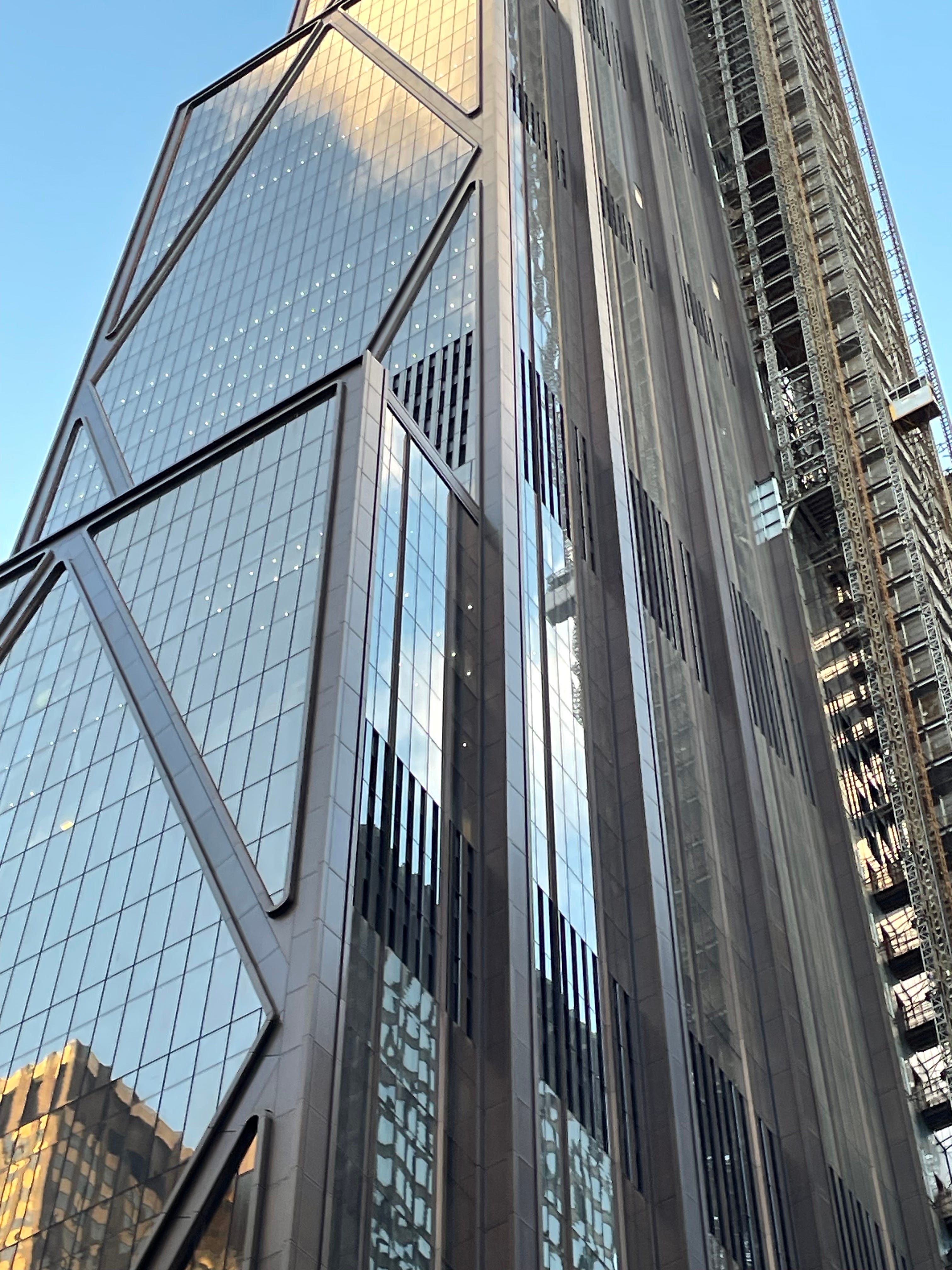
The colossal new 60-story 2.5-million square foot headquarters for JPMorganChase, that has risen on the corporate gold coast of Park Avenue has produced swoons for its acrobatic engineering (by Severud) and brickbats for its chest-thumping grandiosity. The company touts it as a 10,000-employee vote of confidence in New York City. To skeptics it’s a mega-scale architectural assertion of the financial industry’s dominance of the American economy—as if we needed reminding. Norman Foster, the 90-year-old founder of the sprawling, London-based firm Foster & Partners, takes credit for the architectural design. The interiors and workspaces were finished in pampering luxury by Gensler, among others. I may write further about this. Have a look and let me know what you think in the comments.
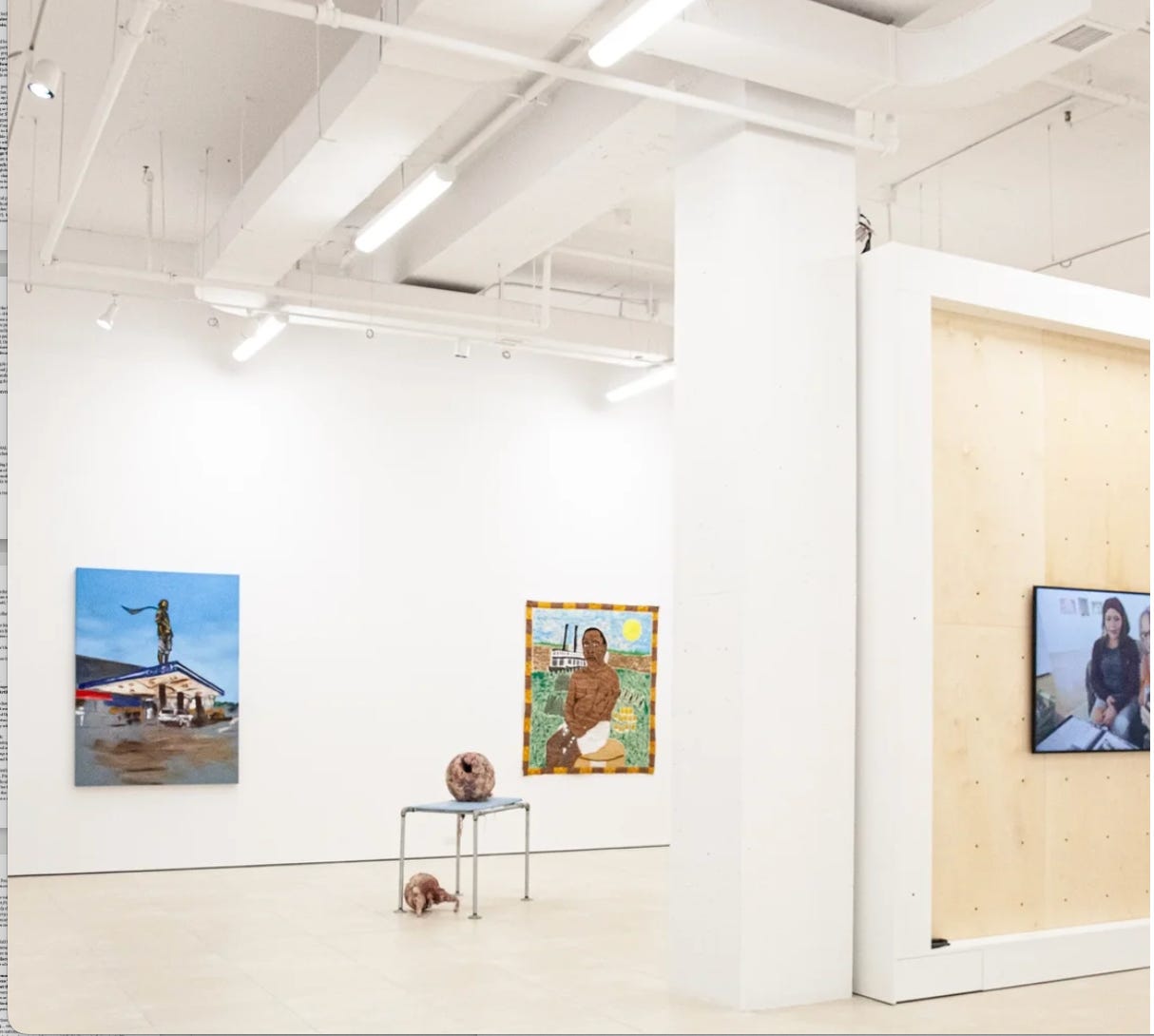
At the other end of the architectural spectrum, a minuscule storefront in Bedford-Stuyvesant, Brooklyn, leads to a modest but capacious gallery for a small organization, the Center for Art & Advocacy, that has transformative impact. It helps incarcerated and formerly incarcerated people who want to be professional artists develop their skills and overcome what is for some years of trauma. Pragmatically, they learn to navigate the mystifying labyrinth that is the art world. Founder Jesse Krimes, who as he told me, experienced the carceral gamut from juvenile jails to state and federal prions, bootstrapped his own necessity to make art into a practice that has reached the upper echelon of the art world, with gallery representation and an exhibition at the Metropolitan Museum of Art. Similarly the artists the center champions—shows rotate regularly—don’t dabble in the precious transgressions of the big-name art-world but pour an extraordinary intensity of feeling, experience, and expression into their work.
I’m sending all my readers warmest holiday wishes and hope shopping and celebrating take you to stimulating urban and architectural realms. By the way, a subscription to Architecture and the City may be just the gift someone on your list awaits. At any rate, I welcome comments, shares, and recommendations!
Thanks, Carol. I always found the old Union Carbide elegantly proportioned but still overbearing. Compared to JPMC it was a shy, delicate flower.
bombastic, overpowering, the giant come down from the beanstock